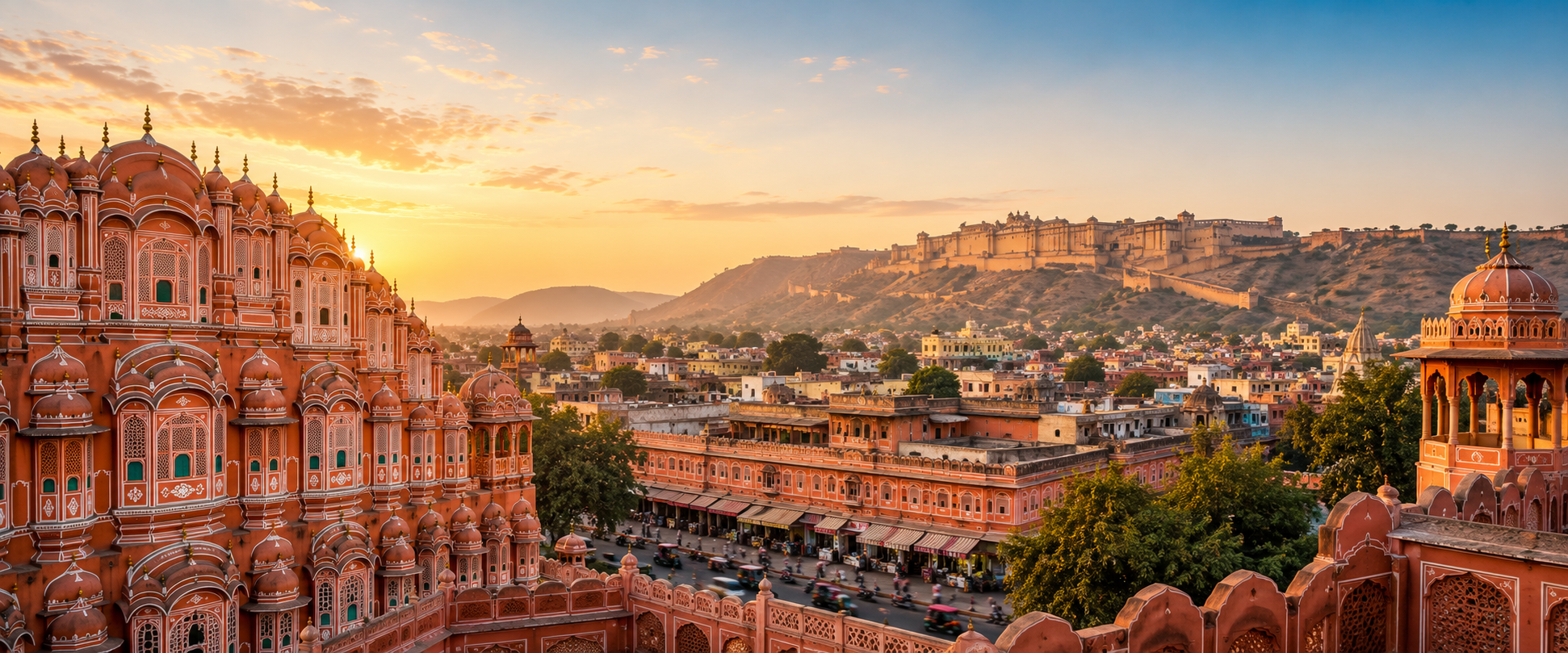
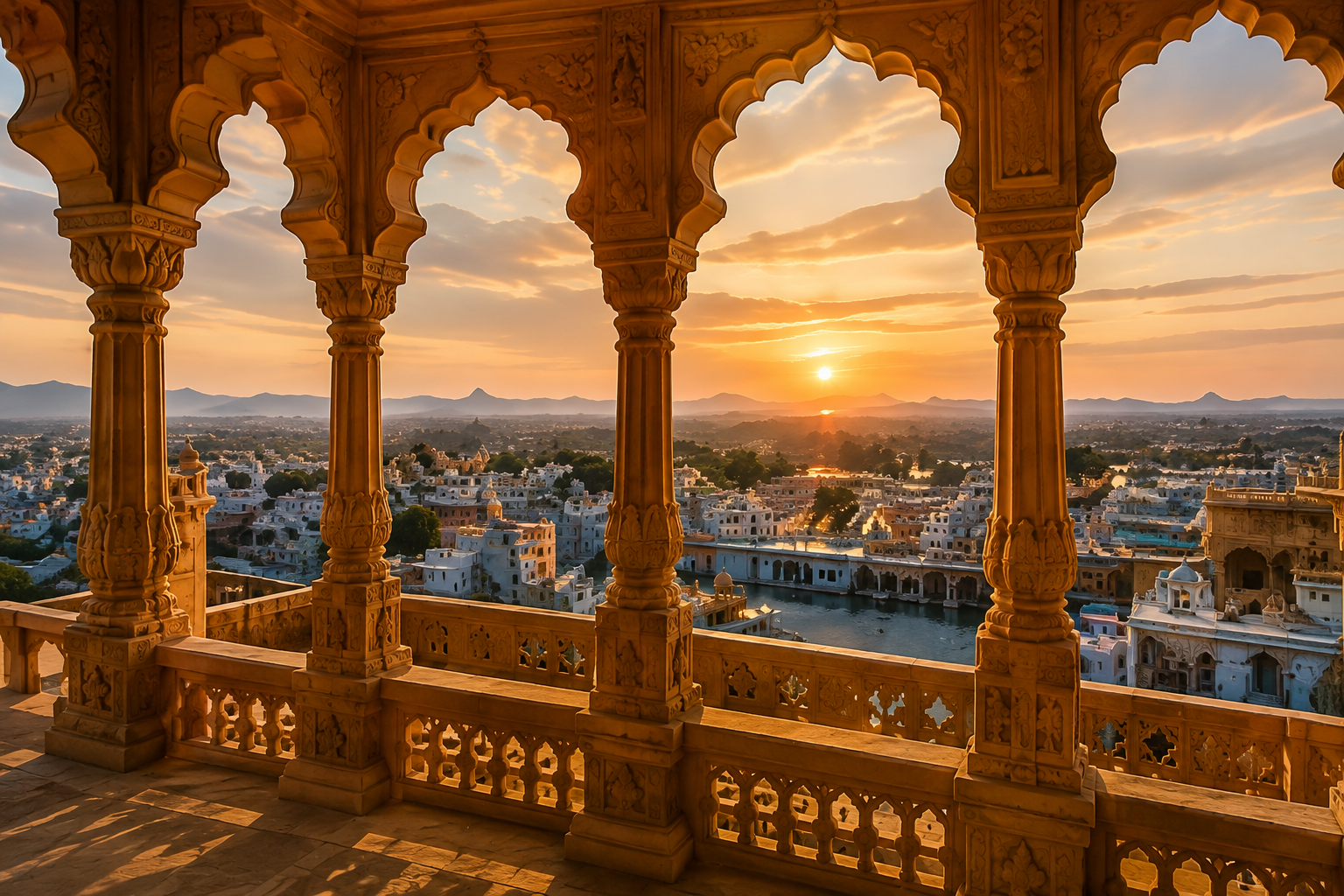
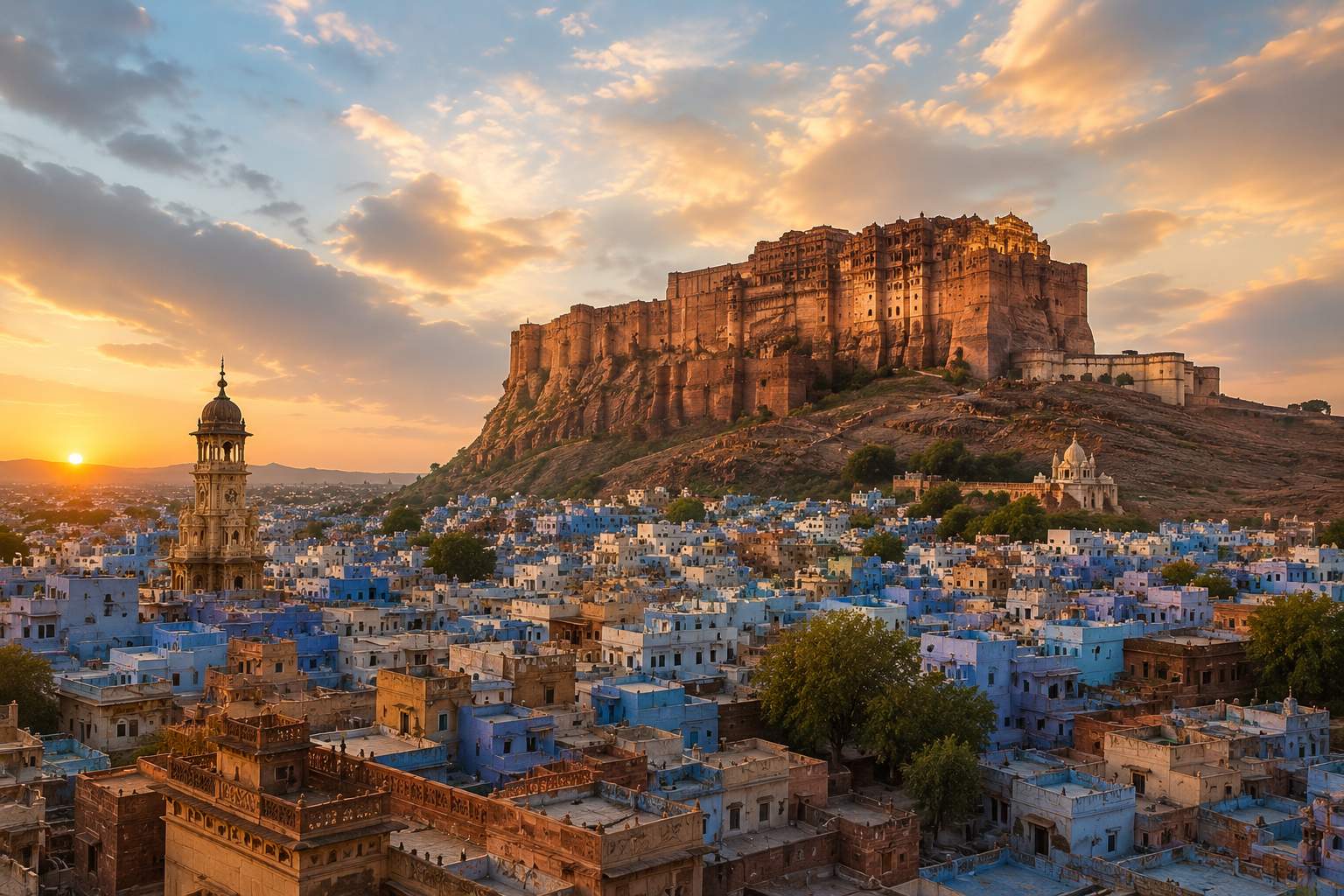
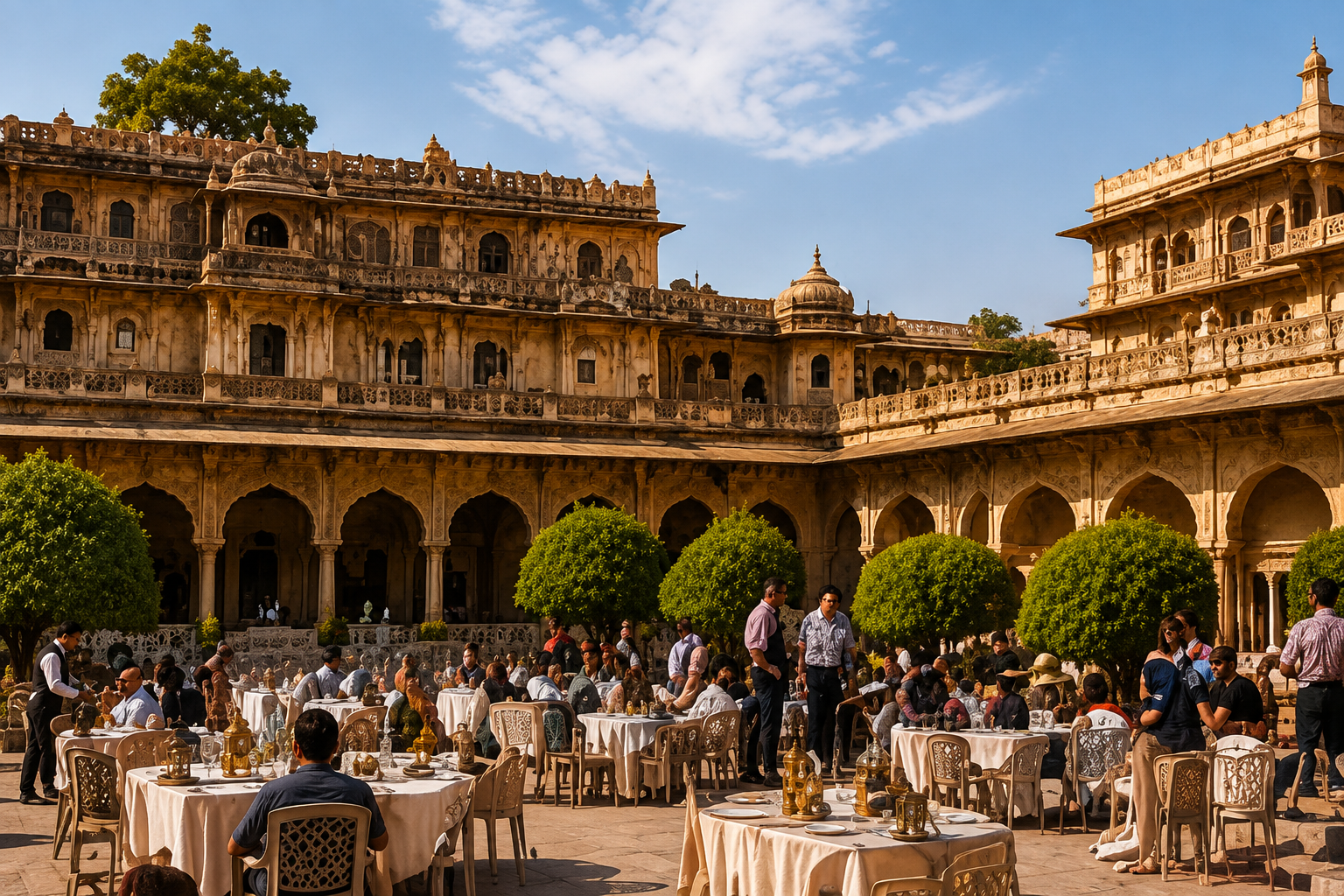
October to March is widely preferred for comfortable sightseeing, but different routes and purposes can have different considerations. Summer and monsoon travel require a different pace.
Match the season to the plan
There is no single best month for every Rajasthan journey. October to March is widely preferred for sightseeing comfort, but the right period also depends on destinations, wildlife interests, events, budget and how you handle heat.
- Choose the route together with the month.
- Consider your tolerance for daytime temperatures.
- Check seasonal experiences before booking.
October and November suit broad touring
After the monsoon, many parts of Rajasthan begin moving into a comfortable touring season. Days can be pleasant for city sightseeing and road journeys, while evenings gradually become cooler.
- Good for multi-city heritage routes.
- Carry layers as temperatures begin to change.
- Expect demand to increase around festivals and holiday periods.
December and January bring cooler conditions
Winter is popular for Rajasthan, particularly for travellers who prefer mild daytime sightseeing. Early mornings and nights can become quite cold in desert and inland areas, so clothing should be planned accordingly.
- Useful for forts, cities and desert routes.
- Prepare for cold safari or desert mornings.
- Book popular stays early around peak dates.
February and March can offer a good balance
Late winter and early spring often provide comfortable travel conditions before stronger summer heat develops. March temperatures can rise quickly, so sightseeing hours should gradually shift earlier.
- Suitable for many first-time Rajasthan routes.
- Keep midday exposure in mind later in March.
- Check local festival dates if they affect availability.
Summer needs a different pace
April to June can be very hot, particularly in the afternoon. Travel is still possible for people comfortable with the conditions, but the itinerary should use early starts, air-conditioned transport and substantial midday rest.
- Do major outdoor sightseeing early.
- Avoid overloading afternoons.
- Choose hotels and vehicles with comfort in mind.
Monsoon changes the visual character
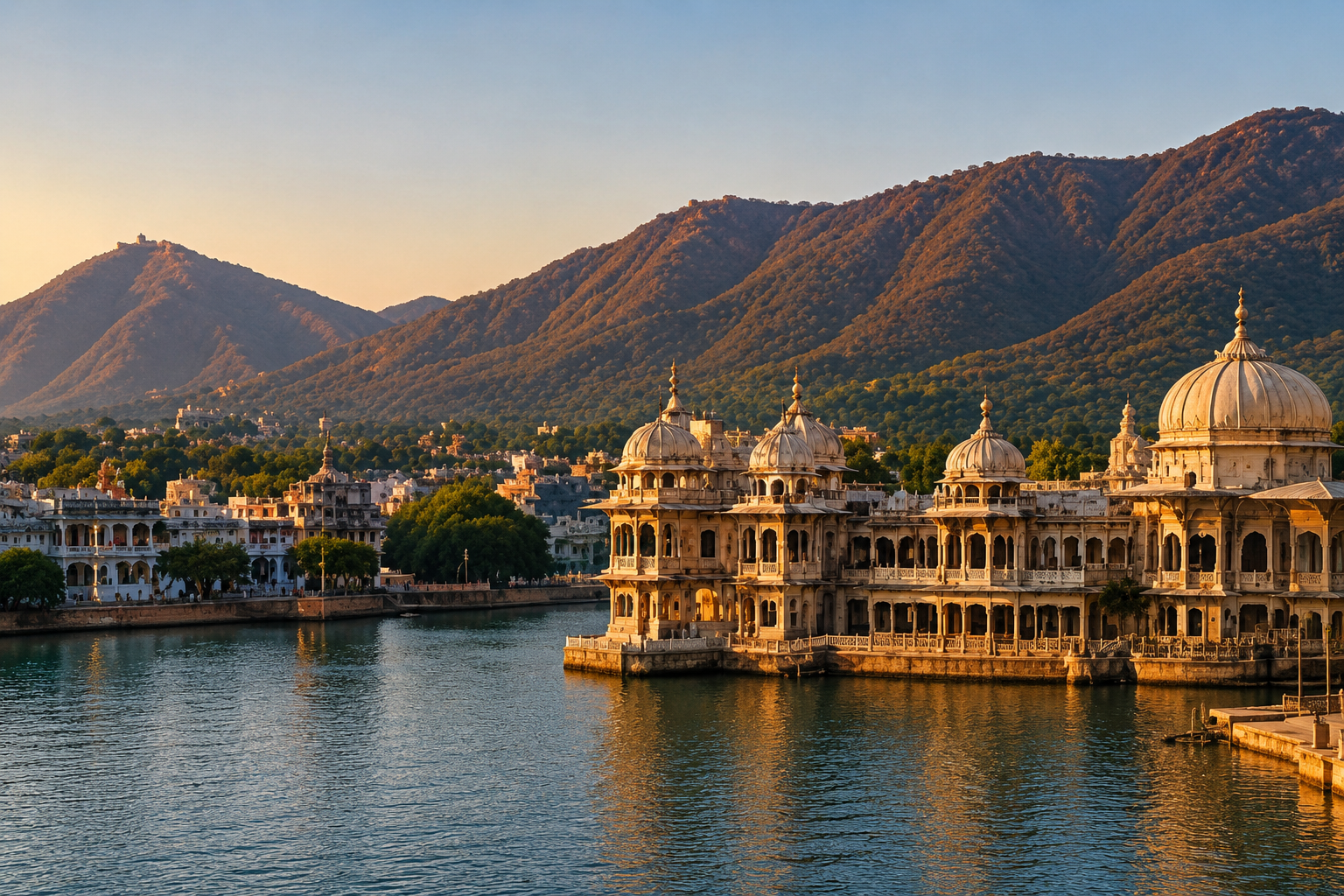
July to September can bring a greener side of parts of Rajasthan, especially around Udaipur and the Aravalli region. Rain is variable rather than continuous, but humidity and local weather can affect outdoor plans.
- Keep some flexibility for rain.
- Consider lake and hill destinations.
- Check road and local conditions closer to travel.
Wildlife has its own seasonal logic
Wildlife planning should not rely only on general sightseeing weather. Park operating periods, heat, vegetation and animal movement all influence the experience, and current safari rules need to be checked separately.
- Confirm park schedules before fixing the route.
- Prepare for very early safari departures.
- Do not promise sightings based on season alone.
Events and group programmes need extra checks
For conferences, weddings or larger group travel, weather affects outdoor venues, guest transfers and daytime programming. Peak tourism dates can also influence hotel inventory and transport availability.
- Plan weather backup for outdoor functions.
- Secure room inventory early for large groups.
- Keep guest comfort central to the daily schedule.
Choose the travel month together with the route.
Weather affects both comfort and how much can sensibly fit into a day.