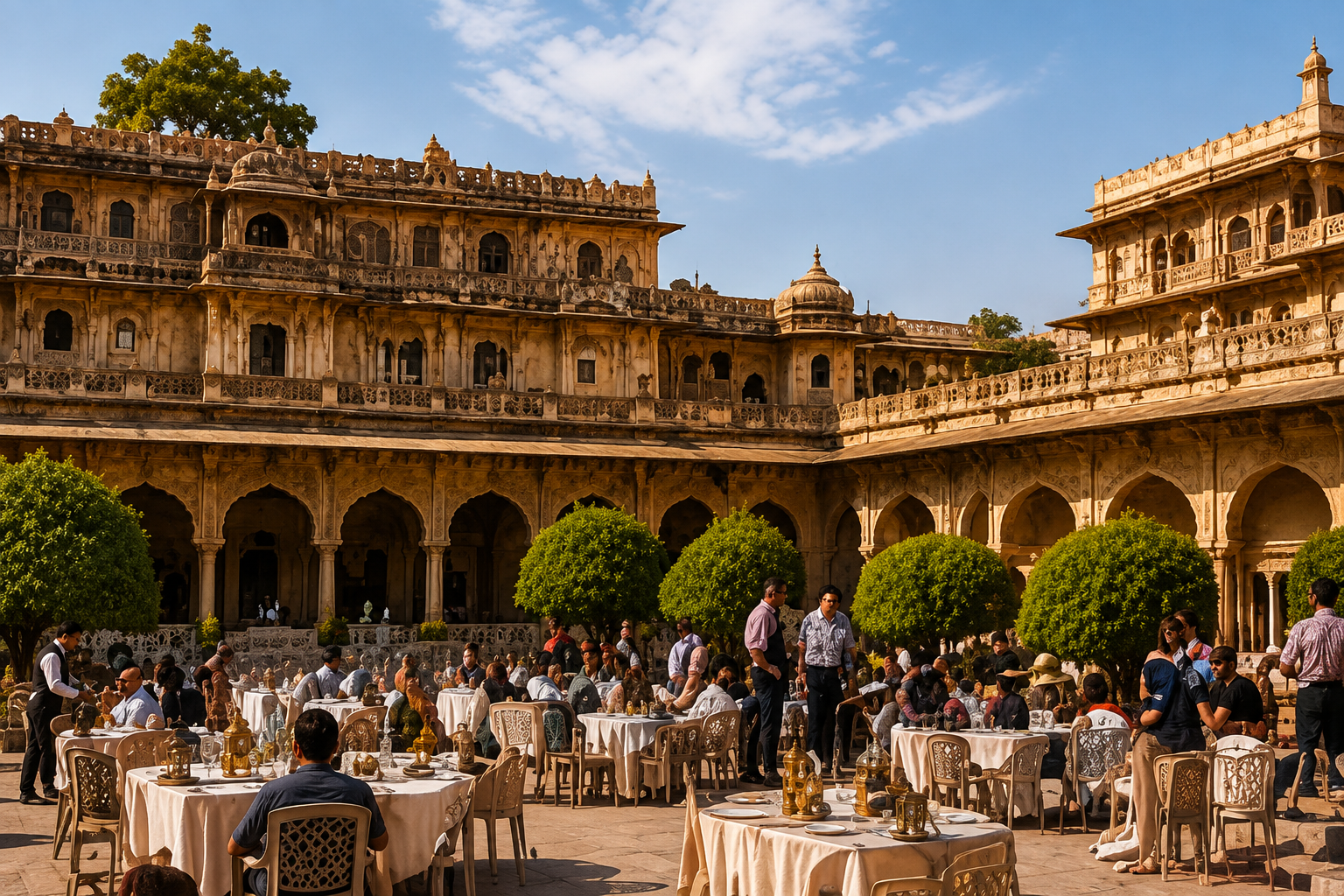
Corporate events can involve guests arriving from different cities, multiple hotels and tightly timed programme movement. Ground coordination becomes important before the event begins.
Plan around the guest journey
A corporate programme starts before guests enter the venue. Airport and station arrivals, hotel check-in, event transfers and departure movement all shape the experience. These elements should be planned as one operational flow.
- Map arrival waves.
- Coordinate hotel and venue timings.
- Plan departure logistics before the event begins.
Choose the venue with logistics in mind
A visually impressive venue is only one part of the decision. Access, parking, coach movement, setup windows, power, weather backup and distance from guest hotels can materially affect execution.
- Check access for event vehicles.
- Review indoor and outdoor backup options.
- Consider travel time from the main accommodation cluster.
Keep accommodation and venue connected
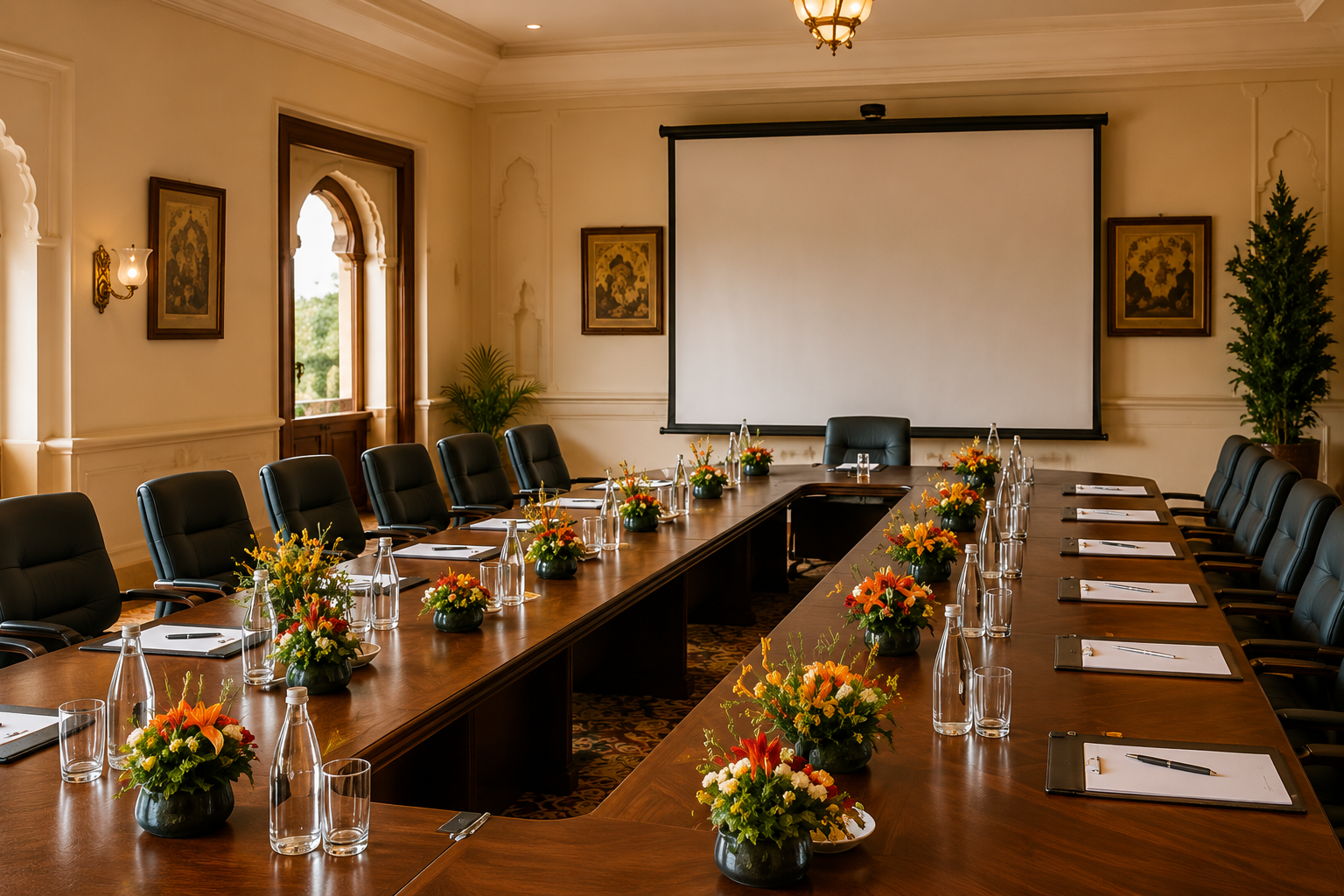
Using too many hotels can complicate guest movement. Where possible, room blocks should be planned around venue access, guest category and transport requirements rather than negotiated independently.
- Cluster accommodation logically.
- Prepare rooming and arrival lists.
- Coordinate early arrivals and late departures.
Build a transport movement chart
Corporate events often involve multiple vehicle types and overlapping movements. A written movement chart covering vehicle allocation, reporting time, pickup point and contact person helps the ground team work from one plan.
- Separate airport transfers from event shuttles.
- Allow buffer between programme sessions.
- Keep standby capacity where justified.
Coordinate registration and arrival support
For conferences and larger programmes, the first contact point should be clear. Registration desks, welcome teams, signage and hotel or venue assistance can prevent guests from searching for information after arrival.
- Define the registration location.
- Prepare guest lists and essential information.
- Keep escalation contacts available to the desk team.
Treat meals as part of the schedule
Breakfast departures, conference breaks, lunches and dinners all influence programme timing. Catering service should be coordinated with guest movement and session flow rather than treated as a separate hospitality item.
- Allow enough service time for the group size.
- Capture dietary requirements.
- Keep transport departures realistic after meals.
Prepare for programme changes
Speaker delays, weather, traffic and extended sessions can shift the schedule. The ground plan should identify which movements are fixed and which can be adjusted without affecting the entire event.
- Keep decision-makers reachable.
- Maintain updated movement information.
- Have alternatives for weather-sensitive outdoor elements.
Use one coordination structure
Venue, hotels, transporters and support staff need a clear chain of communication. A single ground coordination structure reduces conflicting instructions and makes last-minute changes easier to execute.
- Define responsibilities before the event.
- Use one approved schedule as the operational reference.
- Record important changes and communicate them quickly.
One programme needs one coordinated ground plan.
Venue and guest logistics work better when planned around the same schedule.